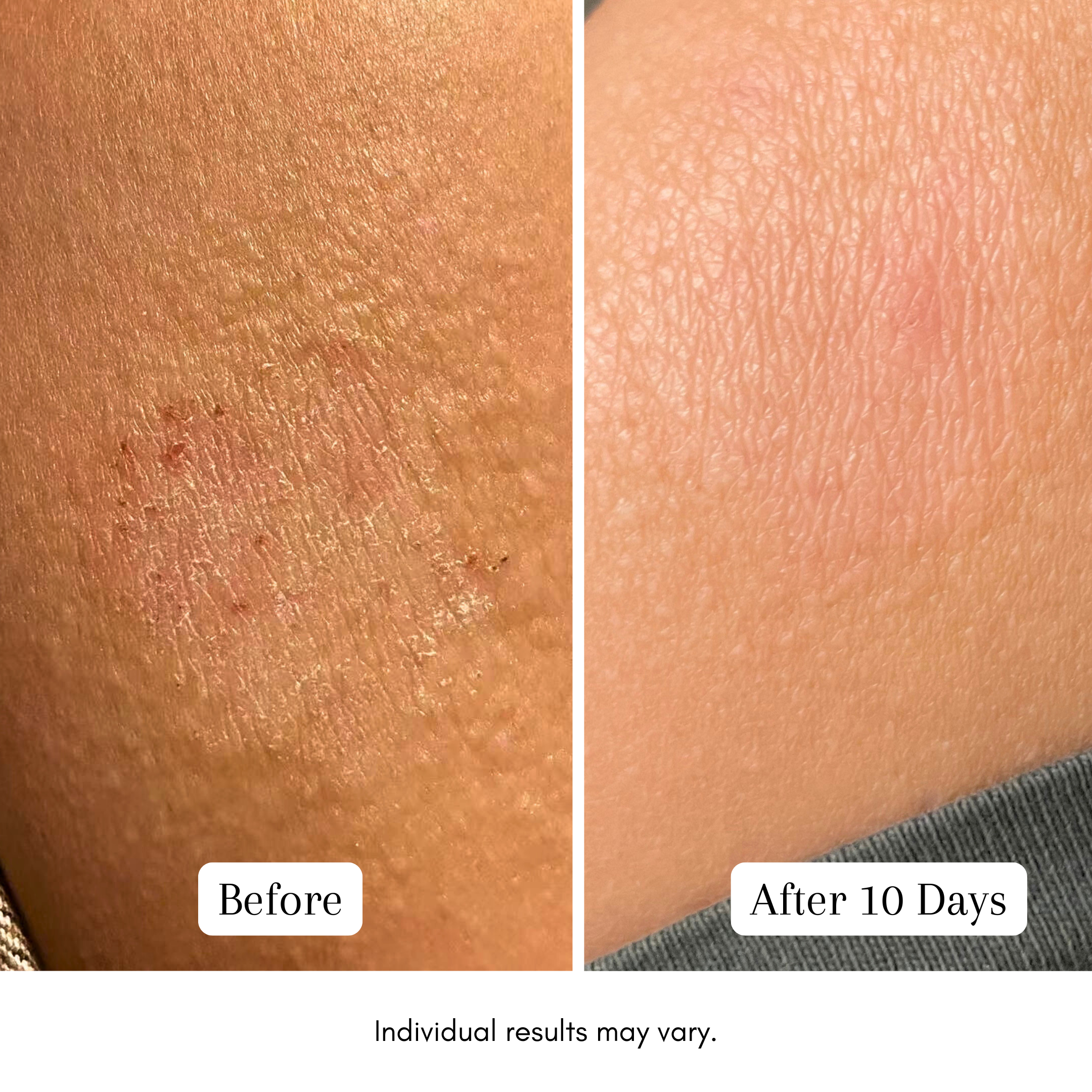
Skin bumps have a confusing vocabulary.
One person calls them clogged pores. Another says whiteheads. A product page promises to clear blackheads. Then the term closed comedones appears, and suddenly a common concern sounds like a biology exam.
The basic difference is simpler than it sounds.
A comedone forms when oil and dead skin cells collect inside a pore. If the opening stays covered, it is called a closed comedone. If the opening is exposed to air, it is called an open comedone, commonly known as a blackhead.
Here is how to tell the terms apart and how to build a routine without attacking your skin.
What are closed comedones?
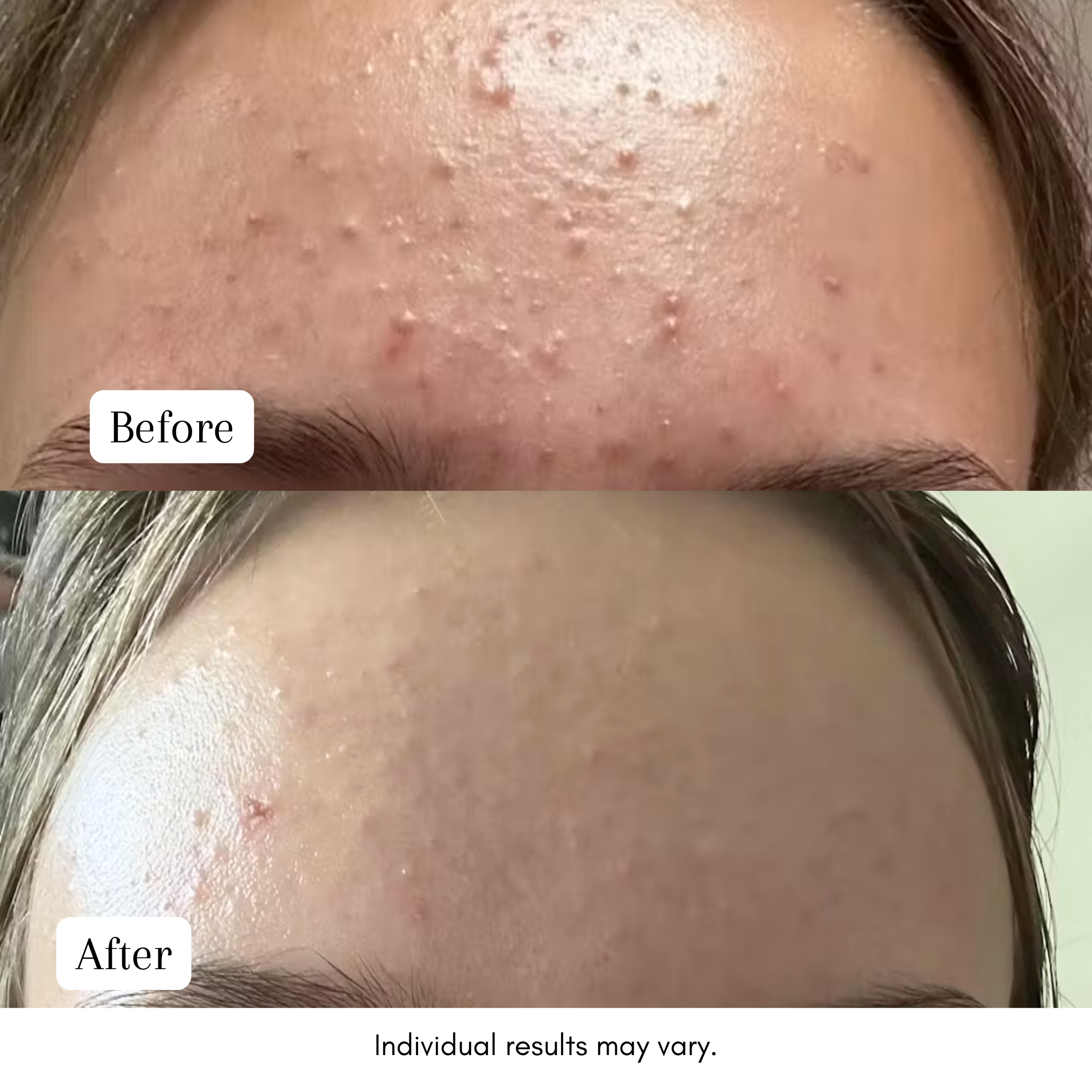
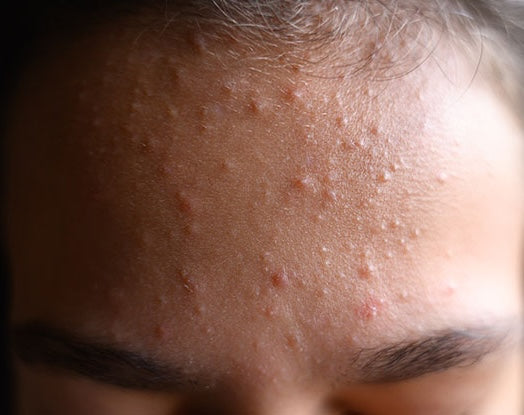
Closed comedones are small clogged pores covered by a thin layer of skin. They often look like flesh coloured or pale bumps and may give the skin a textured appearance.
They do not always have an obvious white centre. This is why the term whitehead can be confusing. In everyday beauty language, people often use whitehead for any small pale bump. Clinically, a closed comedone describes the type of clogged pore.
Closed comedones commonly appear on the forehead, cheeks, chin, and jaw, but only a qualified professional can confirm what a specific bump is.
What are blackheads?
Blackheads are open comedones.
The pore contains oil and dead skin cells, but the top remains open. Exposure to air causes material near the surface to oxidize and darken.
The black color is not trapped dirt. Scrubbing harder will not wash it away like a mark on the surface.
That myth matters because it leads people to use rough scrubs and pore tools that create more irritation without addressing how the clog formed.
What are whiteheads?
Whitehead is the common name often used for a closed comedone.
Because the pore opening is covered, the material inside is not exposed to air in the same way as a blackhead. The bump may look pale, white, or close to the surrounding skin tone.
Not every white or flesh coloured bump is a whitehead. Similar looking texture can have different causes, which is one reason persistent or unusual bumps are best evaluated by a dermatologist.
Closed comedones vs blackheads
The easiest way to remember the difference is the opening.
Closed comedone: the pore is covered and usually appears as a small bump.
Blackhead: the pore is open and the material at the surface looks dark because of oxidation.
Both begin with buildup inside the pore. Neither means the person has dirty skin.
What can contribute to clogged pores?
Clogged pores can be influenced by several factors at once.
Oil and dead skin cells
Pores naturally release oil. When oil and dead skin cells collect instead of moving out normally, a clog can form.
Products that do not suit your skin
Some makeup, sunscreen, hair products, or skin care formulas may contribute to congestion for certain people.
Products labelled noncomedogenic are designed to be less likely to clog pores, but the label is not a guarantee for every individual.
Incomplete removal
Makeup and water resistant sunscreen may need a first cleansing step before the regular cleanser. If one cleanse does not remove them fully, consider a gentle double cleanse at night.
Hormonal changes
Hormones can influence oil production, which is why clogged pores may appear or change at different times.
A routine that is too aggressive
It is possible to make a clogged pore routine so intense that the skin becomes uncomfortable.
Scrubbing, extracting, and layering several strong products at once may create visible redness and make it harder to tell what is helping.
What not to do
Do not assume blackheads are dirt
The dark color comes from oxidation at the open surface. Cleansing is still important, but harsh scrubbing is not the solution.
Do not squeeze every bump
Picking and squeezing can increase visible irritation and the risk of lingering marks.
Do not add five new products at once
If the routine changes completely, you will not know which product helped or which one caused discomfort.
Do not judge a routine after two days
Visible texture does not usually change overnight. Give a simple routine time and pay attention to how your skin feels.
A simple routine for clogged pore prone skin
Step 1. Cleanse gently
Wash with lukewarm water and a cleanser that removes daily buildup without leaving the face painfully tight.
Explore the Willow Bark Pore-Smoothing Luxury Cleansing Bar
Step 2. Add one targeted product
Ingredients such as salicylic acid are commonly used in formulas for clogged pores because they can exfoliate within oily areas of the pore.
Start with one targeted step rather than combining several exfoliating products. Follow the directions on the formula you choose.
The Sophora Root Blemish Treatment Balm was created as a targeted leave on step for breakouts, blackheads, whiteheads, and clogged pores. Add the product link here when its page is live.
Step 3. Moisturize
Breakout prone skin still needs moisture. Choose a moisturizer that feels comfortable and suits the rest of your routine.
Step 4. Use sunscreen during the day
Daily sunscreen helps protect skin from ultraviolet exposure and is especially important when using products that increase sun sensitivity.
Step 5. Be consistent
A routine you can follow calmly is more useful than a crowded routine that changes every week.
Frequently asked questions
Are closed comedones the same as whiteheads?
The terms are often used for the same type of clogged pore. Closed comedone is the more specific term. Whitehead is the common name.
Are blackheads caused by dirt?
No. Their dark surface is mainly related to oxidation after material inside an open pore is exposed to air.
Can I scrub away closed comedones?
Scrubbing the surface does not simply remove a clog beneath it. Rough friction may leave skin looking red and feeling uncomfortable.
Does double cleansing help clogged pores?
It can help remove makeup and water resistant sunscreen more completely. It is not necessary for everyone, and it does not guarantee that existing clogs will disappear.
When should I see a dermatologist?
Seek professional advice when bumps are persistent, painful, rapidly changing, or difficult to identify. A professional can determine whether the texture is actually comedonal or something else.