Most of us learned to wash our face with one goal: make it feel as clean as possible. So we scrub a little harder, use hotter water, and look for that squeaky feeling afterward.
That feeling is not the goal.
A good cleanse should remove makeup, sunscreen, excess oil, and the day from your skin without leaving it tight or uncomfortable. If your skin is both breakout prone and sensitive, the way you cleanse matters just as much as the cleanser you choose.
Here is the simple version: use lukewarm water, apply a gentle cleanser with your fingertips, rinse thoroughly, and pat dry. No aggressive scrubbing. No complicated technique. Just a complete, comfortable cleanse.
The right way to wash your face
1. Start with clean hands
Wash your hands before touching your face. It sounds obvious, but it is also the step most people skip when they are tired and ready for bed.
2. Remove makeup and sunscreen when needed
If you are wearing makeup or a water resistant sunscreen, remove it before your regular cleanse. A cleansing oil, balm, or micellar water can help lift the first layer without requiring heavy rubbing.
You do not need to double cleanse every time you wash your face. Think of it as an evening option for days when one cleanse does not fully remove what you are wearing.
3. Use lukewarm water
Hot water can leave skin feeling dry and uncomfortable. Cold water does not close your pores. Pores are not doors, and changing the water temperature will not open or close them.
Lukewarm water is the simple choice because it cleanses comfortably without adding unnecessary stress.
4. Build the lather in your hands
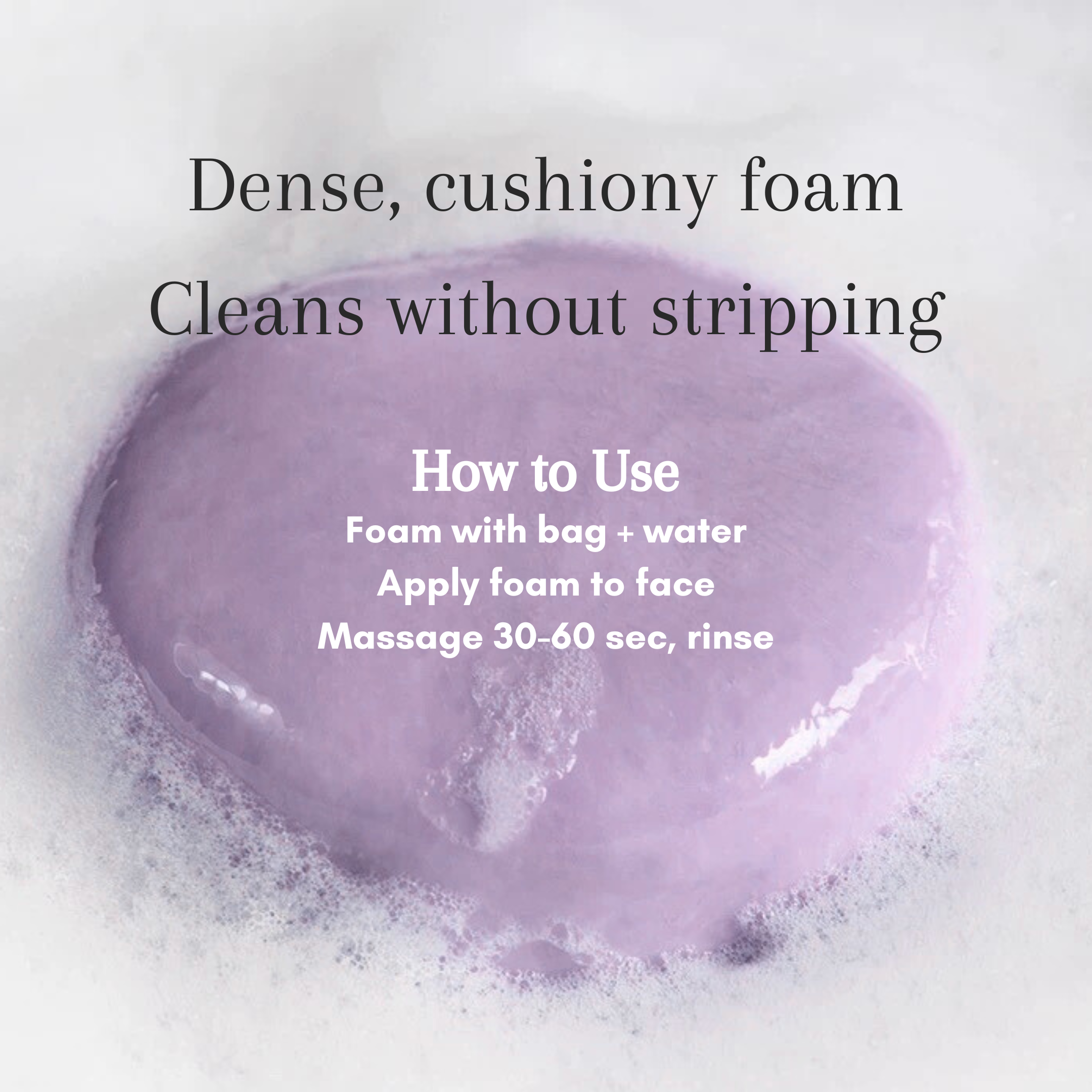
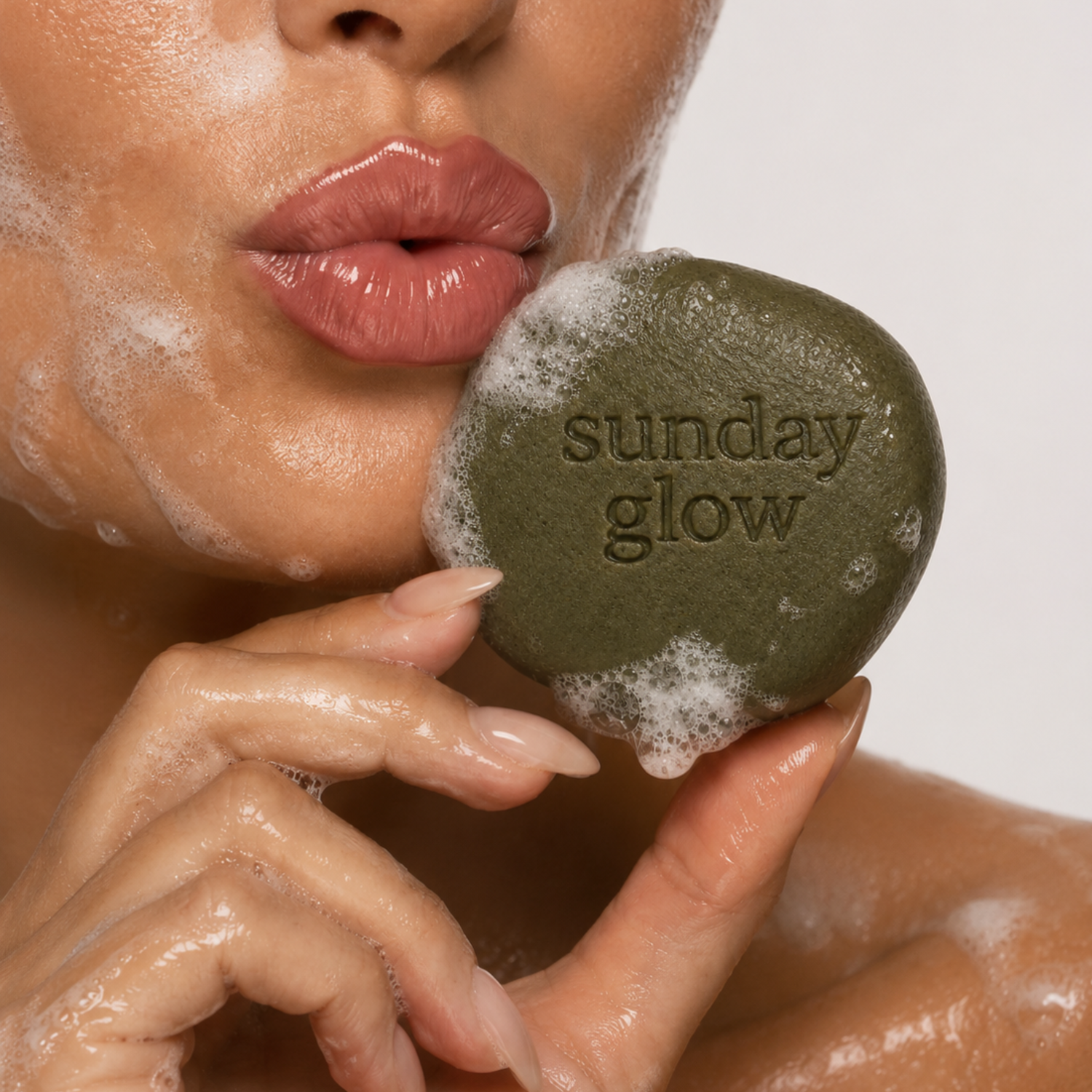
If you use a facial cleansing bar, wet the bar and build the lather between your hands first. Apply the soft foam to your face rather than rubbing the bar directly across your skin.
This gives you more control and makes it easier to spread the cleanser evenly.
5. Massage gently with your fingertips
Use the pads of your fingers and small circular motions. Cover the areas people often miss, including the sides of the nose, hairline, jaw, and around the brows.
Skip rough washcloths, cleansing brushes, and aggressive scrubbing when your skin already feels sensitive. More friction does not mean a better cleanse.
6. Rinse completely
Take a few extra seconds to rinse around the hairline, jaw, and sides of the nose. Leftover cleanser can make skin feel uncomfortable and may be mistaken for a product reaction.
7. Pat dry
Use a clean, soft towel and gently pat the skin. Rubbing your face dry adds friction at the exact moment your skin may feel most delicate.
8. Follow with the rest of your routine
Apply your next products while your skin still feels comfortable. For many people, a simple routine of cleanser, moisturizer, and sunscreen is a better foundation than layering too many products at once.
How often should you wash your face?
For most people, morning and evening is enough. The American Academy of Dermatology also recommends washing after heavy sweating.
Your skin may need less in the morning, especially if it is very dry or easily irritated. Some people prefer a water rinse in the morning and a complete cleanse at night. What matters is how your skin responds.
Washing more often is not a shortcut to clearer looking skin. If every cleanse leaves your face tight, dry, or uncomfortable, adding another one is unlikely to help.
How long should you wash your face?
There is no universal timer that works for every cleanser and every skin type.
The popular sixty second rule can be a useful reminder not to rush, but longer is not always better. Spend enough time to cover your whole face and remove the day fully. If the cleanser contains specific active ingredients, follow the directions provided with that product.
The goal is thorough, not aggressive.
Should you double cleanse?
Double cleansing makes sense when you are wearing makeup, water resistant sunscreen, or products that are difficult to remove. The first cleanse loosens that layer. The second cleanses the skin.
If you wore little product and one gentle cleanse removes everything comfortably, a second round may not add much. More cleansing is not automatically better cleansing.
What should your skin feel like afterward?
Clean skin should still feel like skin.
It should not feel painfully tight, rough, or desperate for moisturizer the second you put down the towel. A little temporary change can happen after water evaporates, but repeated discomfort is worth paying attention to.
Your cleanser may not be the only cause. Hot water, frequent exfoliation, rough tools, and cleansing too often can all contribute. Look at the full routine before blaming one product.
Five common face washing mistakes
Using very hot water
Hot water can make a normal routine feel much harsher than it needs to be. Keep it lukewarm.
Scrubbing to clean pores
You cannot scrub a pore empty. Friction may leave the surface of your skin feeling smoother for a moment, but it can also leave sensitive skin looking red and feeling uncomfortable.
Chasing a squeaky feeling
Squeaky does not mean better. A cleanser should remove what needs to come off while leaving skin comfortable.
Forgetting the hairline and jaw
Cleanser and makeup often collect around the edges of the face. Rinse those areas carefully.
Letting a cleansing bar sit in water
A good bar needs time to dry. Keep it away from running water and place it on a draining dish between uses. This helps the bar last longer and keeps the experience cleaner.
How to choose a cleanser for breakout prone, sensitive skin
Start with the basics. Look for a cleanser made for the face, avoid abrasive particles, and pay attention to how your skin feels after repeated use.
Do not assume a strong foam is harsh or that a natural formula is automatically gentle. Texture, ingredients, concentration, and the full formulation all matter. Your skin is the final test.
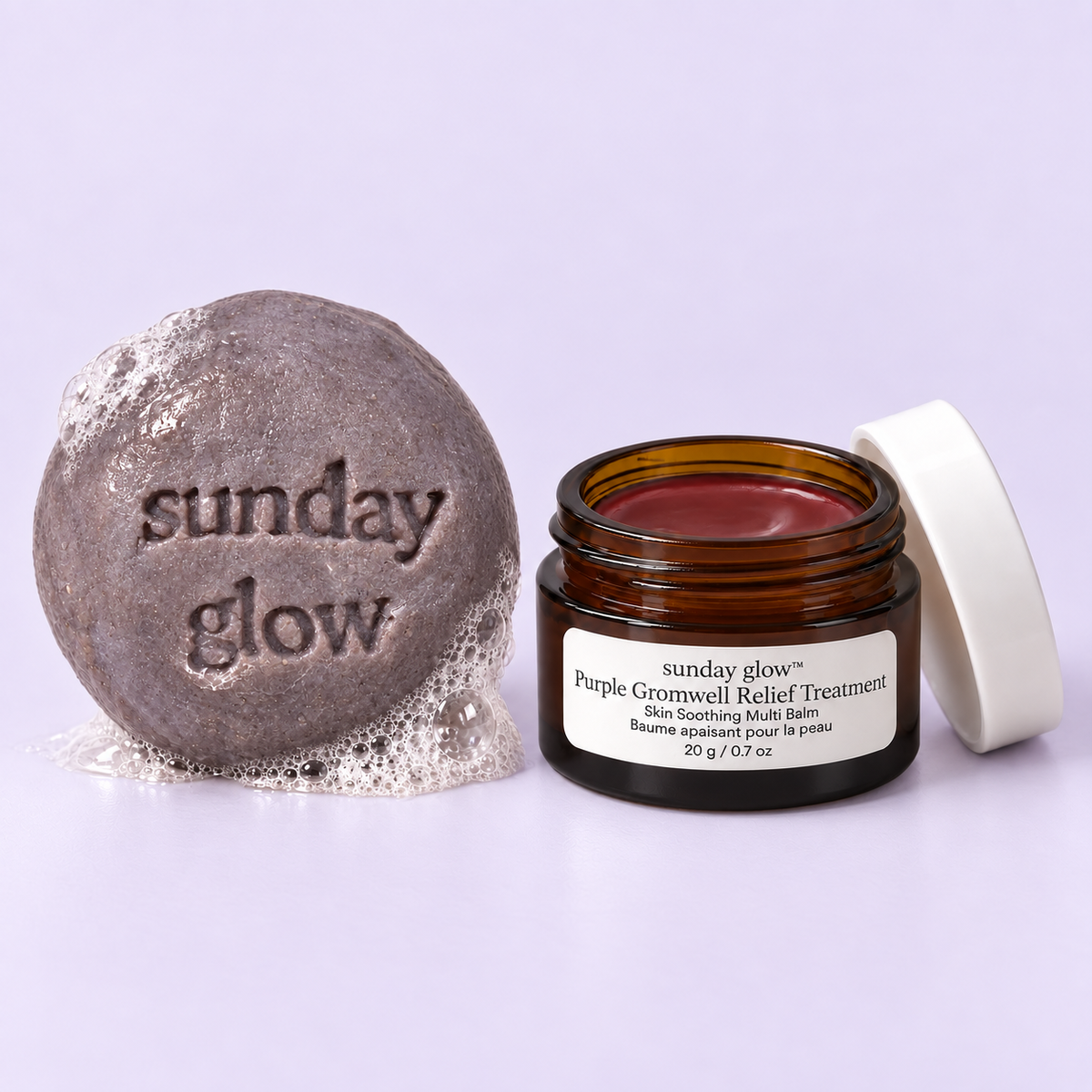
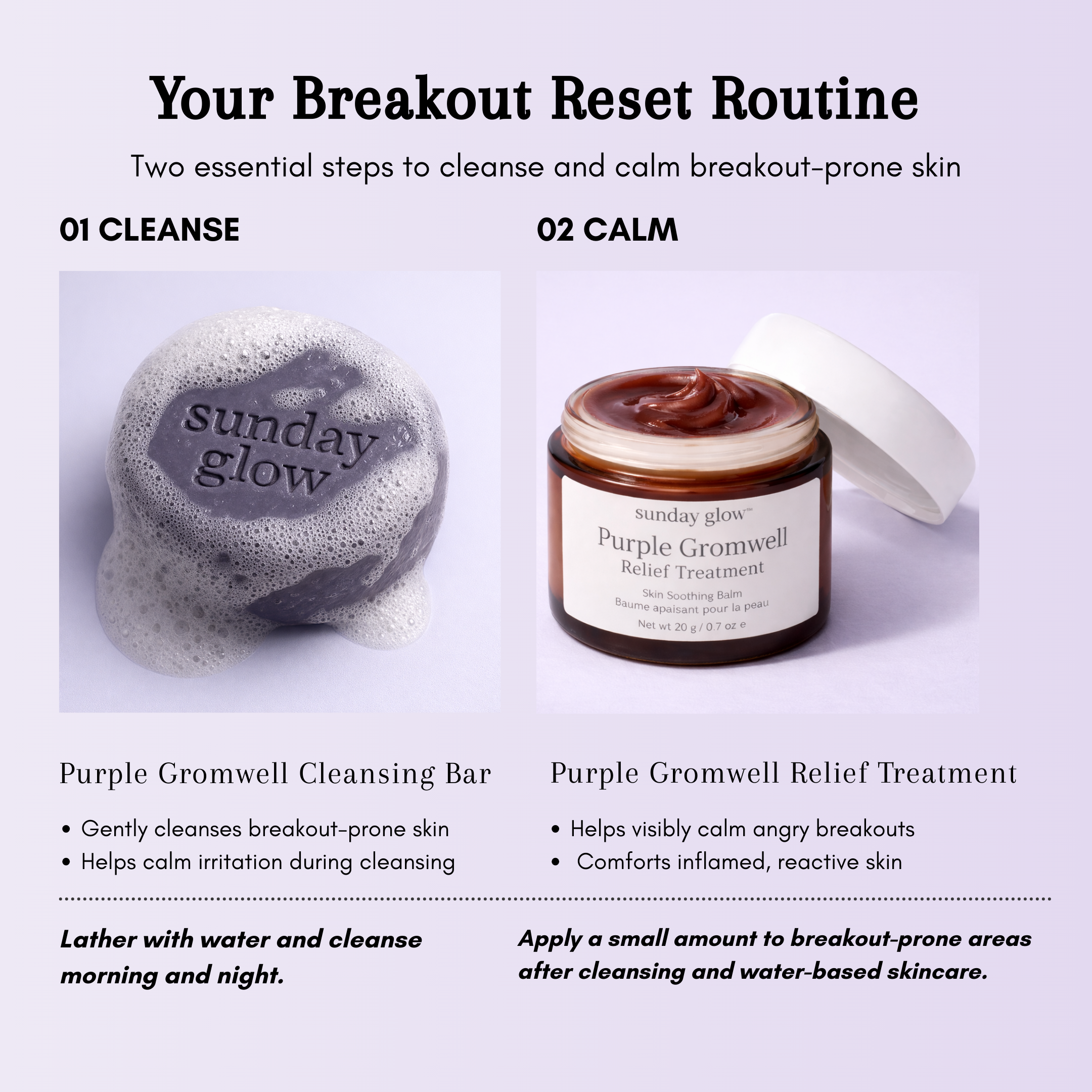
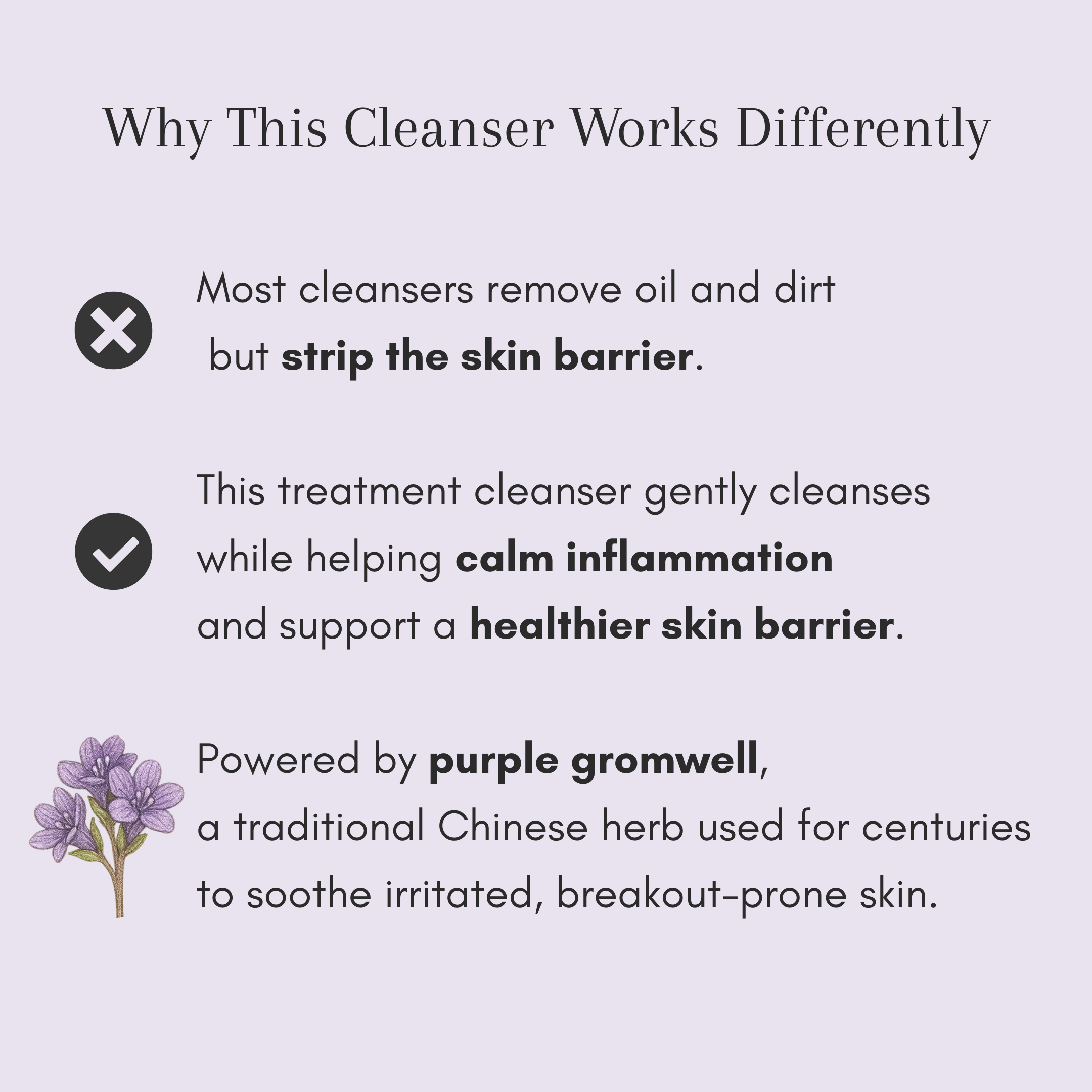
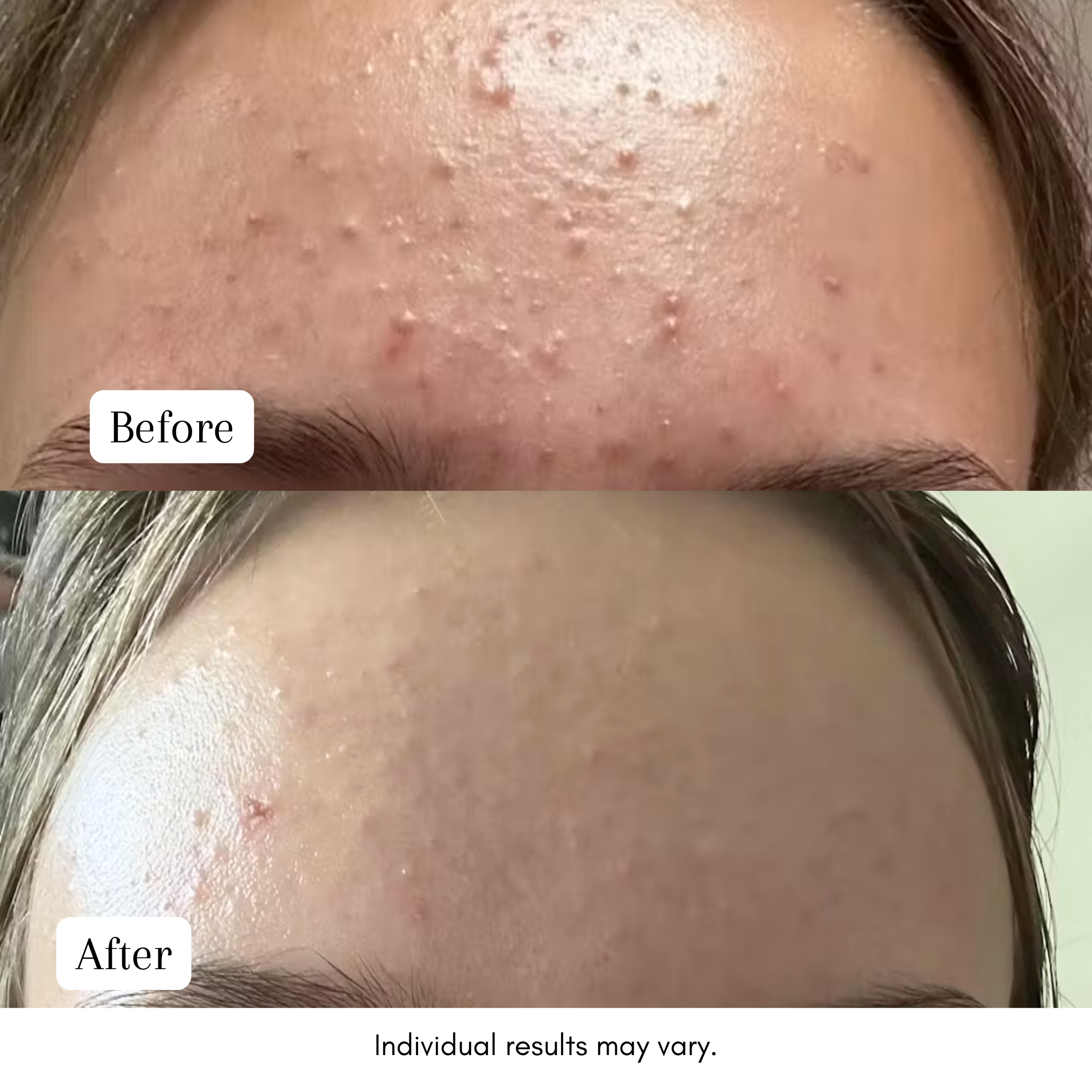
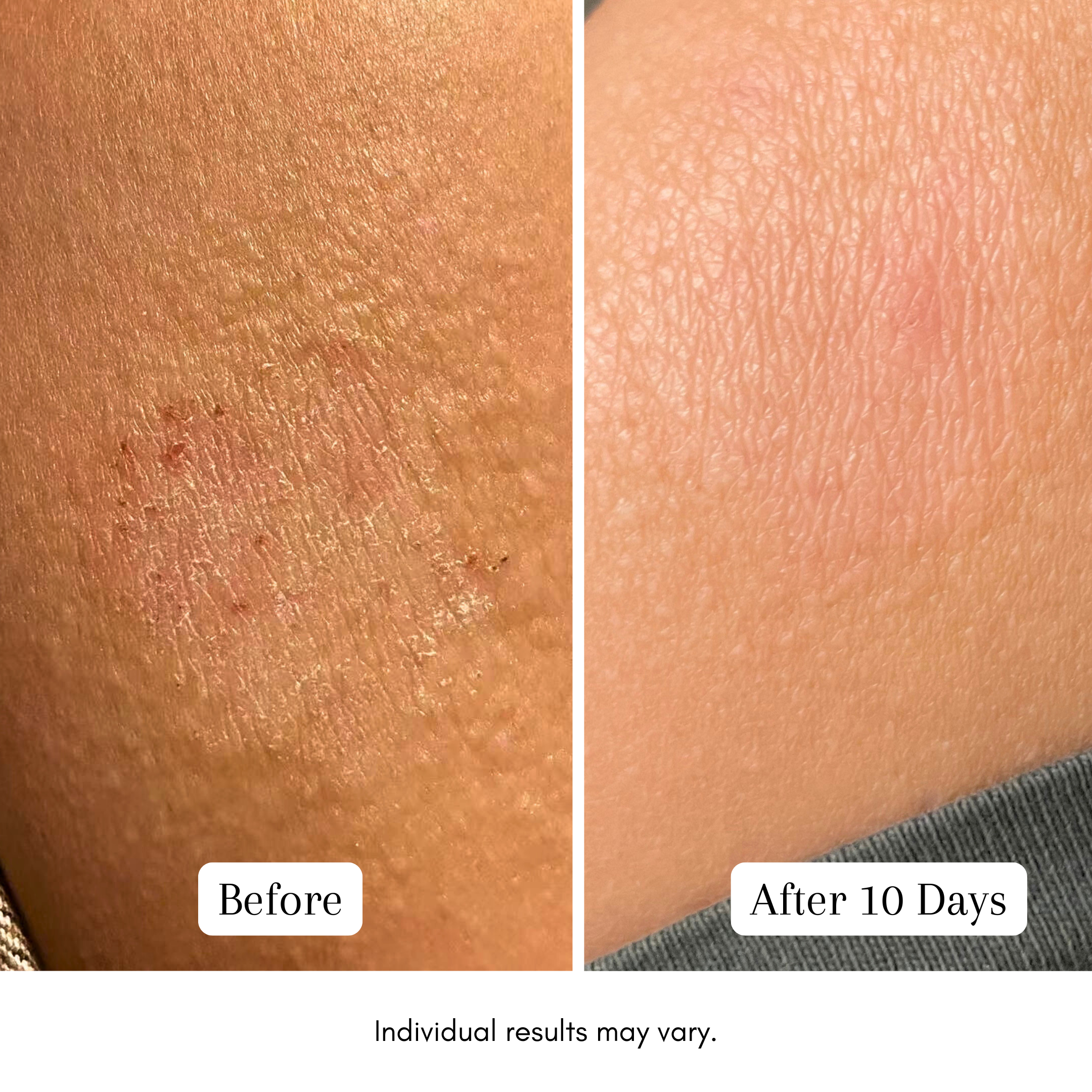
At Sunday Glow, we made the Purple Gromwell Clarifying Cleansing Bar for the person caught between two frustrating choices: products that feel too aggressive and products that feel too basic.
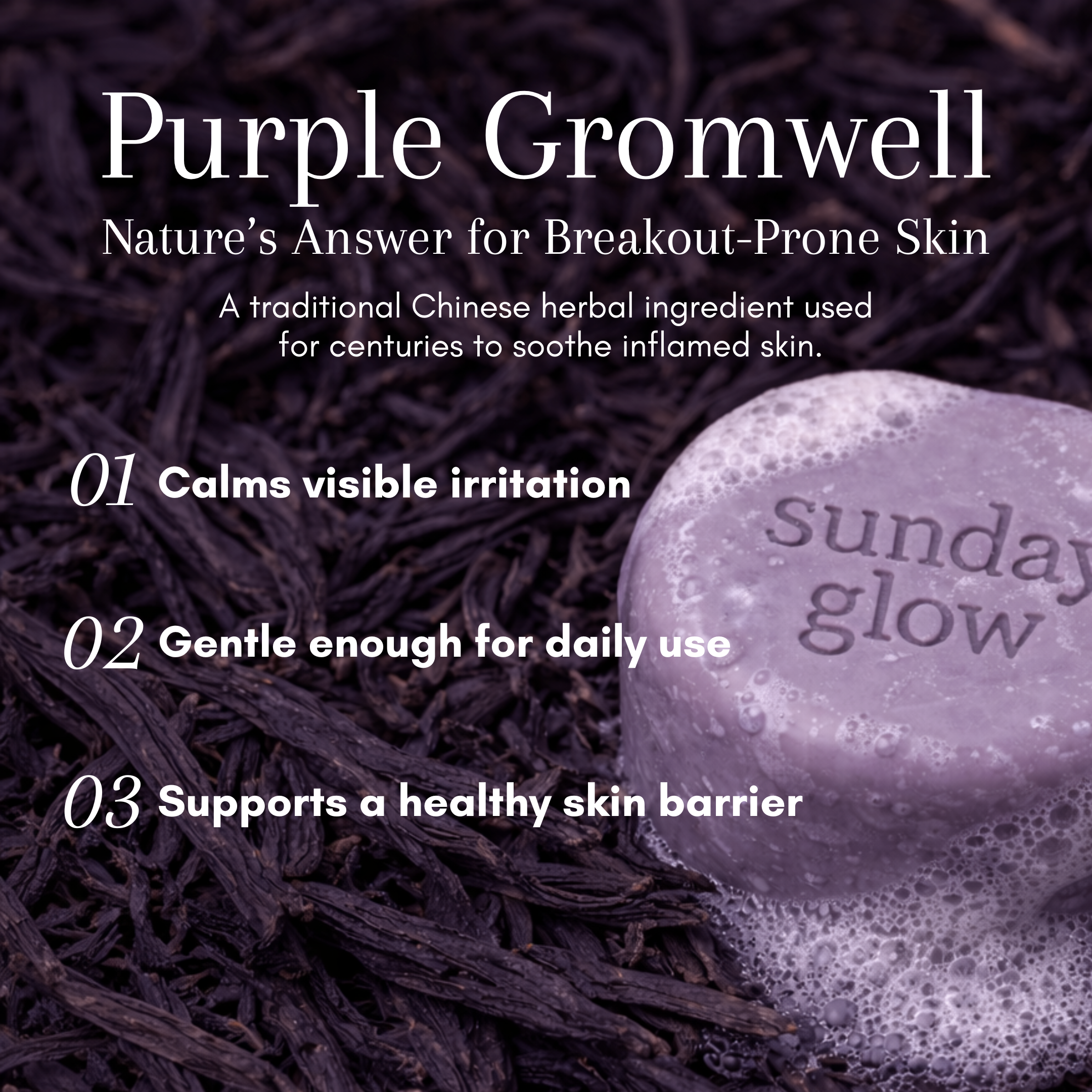
The bar is infused with purple gromwell root, a botanical used in Traditional Chinese Medicine, and creates a dense, cushiony lather. It is designed for a thorough daily cleanse without leaving skin feeling stripped.